

led bathroom mirror with time display
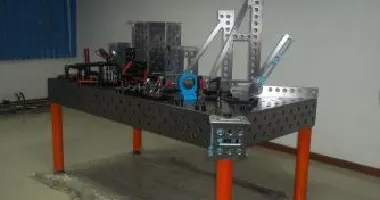
Strong Welding Table Essential Equipment for Precision and Durability in Welding In the world of welding, the importance of having the right equipment cannot be overstated. One of the fundamental pieces of equipment that every welder should consider is a strong welding table. A welding table serves multiple functions, providing a stable workspace that enhances precision, safety, and efficiency in welding projects. In this article, we’ll explore the characteristics, advantages, and considerations when selecting a strong welding table. Characteristics of a Strong Welding Table A robust welding table is designed to endure the harsh conditions of the welding environment. Here are some characteristics that define a strong welding table 1. Material Composition The best welding tables are made of heavy-duty steel or aluminum, which can withstand high temperatures and impact from heavy equipment. The surface material should be resistant to sparks, slag, and molten metal. 2. Weight and Stability A strong welding table must be heavy enough to remain stable under the weight of materials being welded. Stability is crucial for precise welds, as movement can lead to flaws in the finished product. 3. Surface Flatness A flat surface is essential for accurate measurements and weld alignment. A quality welding table will have a surface that is machined to be as flat as possible, minimizing any discrepancies that could affect the welding process. 4. Versatile Clamping Options A good welding table will offer integrated clamping systems that allow for secure positioning of materials. This includes T-slots or holes for clamps and fixtures, enabling welders to work on various shapes and sizes of components easily. 5. Adjustability Some modern welding tables are designed to be adjustable in height or can accommodate fixtures to support different types of welding tasks. Adjustability enhances comfort and ergonomics, reducing fatigue during long working sessions. Advantages of Using a Strong Welding Table strong welding table Investing in a strong welding table comes with several benefits 1. Improved Precision A sturdy foundation allows for more precise welding. When materials are securely held in place, welders can focus on the quality of their work without the distraction of movement or misalignment. 2. Enhanced Safety Welding poses several risks, including burns and injuries from falling materials. A strong table reduces these risks by providing a stable workspace that minimizes the likelihood of accidents. 3. Increased Efficiency With proper clamping systems and an organized workspace, welders can work more efficiently. This leads to reduced setup times and faster project completion, which can significantly impact productivity, especially in commercial settings. 4. Versatility in Projects A welding table that can accommodate various materials and sizes allows for a broader range of projects. This versatility makes it a valuable asset in both home workshops and professional fabrication shops. Considerations When Choosing a Welding Table When selecting a strong welding table, consider the following factors - Size Ensure the table is large enough to accommodate the materials you frequently work with. It should also fit well within your workspace. - Wheeled Options If mobility is a concern, a welding table with wheels can provide flexibility to move it around your workspace as needed. - Budget While it’s important to invest in quality, there are various options available across different price ranges. Determine your budget and find a table that meets your needs without compromising on essential features. Conclusion A strong welding table is an indispensable tool for any welder, providing the necessary stability, safety, and efficiency for a wide range of projects. By understanding the characteristics, advantages, and essential considerations in selecting a welding table, you can ensure that your welding processes are not only more precise but also more enjoyable. Investing in a quality welding table enhances your ability to create professional-grade work, allowing you to tackle even the most challenging projects with confidence.
about
led bathroom mirror with time display
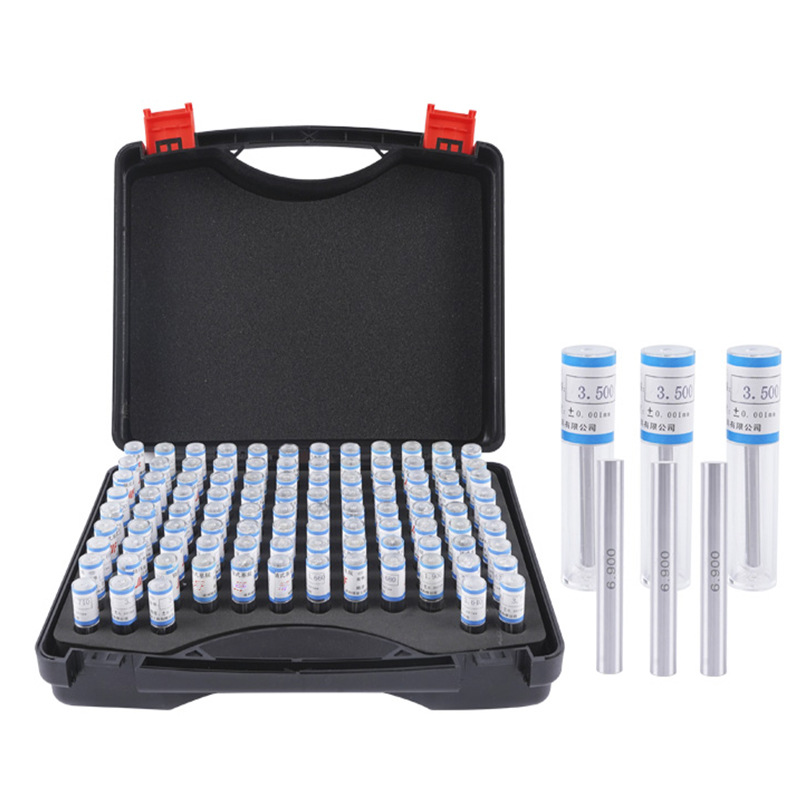
Understanding the Importance of Setting a Bore Gauge In the realm of precision engineering and manufacturing, the bore gauge is an essential tool that enables engineers and technicians to measure the internal diameter of cylindrical workpieces with remarkable accuracy. Whether in automotive production, machining industries, or quality control processes, the correct setting of a bore gauge can significantly impact product quality and operational efficiency. This article explores the procedure for setting a bore gauge, its advantages, and best practices for ensuring precise measurements. What is a Bore Gauge? A bore gauge is a measuring instrument that is used to ascertain the internal diameter of holes. Bore gauges come in various designs, but they typically consist of a cylindrical probe with adjustable measuring heads. These heads can be expanded or contracted to fit the specific diameter of the bore being measured. The final measurement is taken from a scale or a digital display, depending on the model used. Importance of Setting a Bore Gauge Setting a bore gauge is crucial because it impacts the accuracy and reliability of the measurements. An incorrectly set gauge can lead to erroneous readings, resulting in manufacturing defects, increased waste, and potential failures in assembled products. Therefore, proper calibration and adjustment of the bore gauge ensure that all measurements are consistent and meet the necessary tolerances required for high-quality production. Steps for Setting a Bore Gauge 1. Clean the Measurement Area Before beginning the setting process, it is vital to ensure that the workpiece and the bore gauge are free from dirt, oil, and debris. Contaminants can lead to misalignment and inaccurate readings. 2. Select the Correct Range Bore gauges come in various ranges, so it is essential to choose the right size gauge for the bore diameter you intend to measure. Refer to the gauge’s specifications to identify which gauge is appropriate. setting bore gauge 3. Insert the Probe Carefully insert the probe of the bore gauge into the bore, ensuring that it is oriented straight and at the correct depth. The probe should be able to freely expand into the bore without obstruction. 4. Expand the Measuring Heads Gradually expand the measuring heads of the bore gauge until they make contact with the walls of the bore. This must be done gently to avoid scratching or damaging the interior surface of the workpiece. 5. Lock the Position Once the measuring heads are in contact with the bore walls, lock the position of the gauge. This locking mechanism varies by model but is typically accomplished by a simple twist or click action. 6. Take the Measurement With the bore gauge locked in position, read the measurement from the scale or digital display. It’s advisable to take multiple readings at different orientations within the bore to ensure accuracy and consistency. 7. Record the Measurements Document the measurements meticulously. This data is critical for quality control processes and for tracking any variations or trends in production. Best Practices for Accurate Measurements - Regular Calibration Periodically calibrate your bore gauge to ensure its accuracy. This process involves comparing it with a standard measurement and making necessary adjustments. - Use Correct Technique Employ the appropriate technique when taking measurements. Avoid applying excessive force, as this can lead to potentially damaging the gauge or the workpiece. - Training and Familiarity Ensure that all personnel using the bore gauge are adequately trained. Familiarity with the instrument helps in reducing user error. Conclusion Setting a bore gauge accurately is not only a fundamental skill for technicians and engineers but also a critical aspect of maintaining quality standards in manufacturing. With proper care, training, and adherence to best practices, a bore gauge can be a reliable ally in achieving precision in measurements. As industries continue to advance towards higher precision and quality demands, understanding the nuances of bore gauge setting becomes increasingly invaluable in promoting operational excellence and product reliability.
-

High quality industrial productsagement

High quality industrial products
View Details -

Meet the diverse needs of customers

Meet the diverse needs of customers
View Details -

Strict quality control

Strict quality control
View Details -

Top raw materials

Top raw materials
View Details -

Trusted supplier

Trusted supplier
View Details
Our application
news and information

Versatile 3x6 Welding Table for Efficient Metalwork and Fabrication Projects
The Essential Guide to 3x6 Welding Tables Boosting Your Fabrication Skills Welding is an art and a s
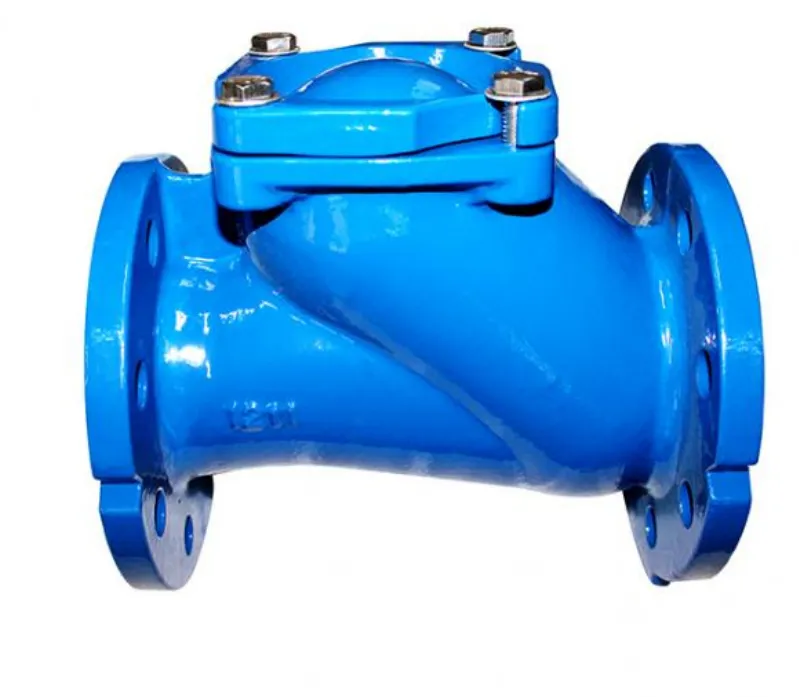
Y-Type Strainer for Efficient Filtration in Cast Iron Applications
cast iron y type strainer .
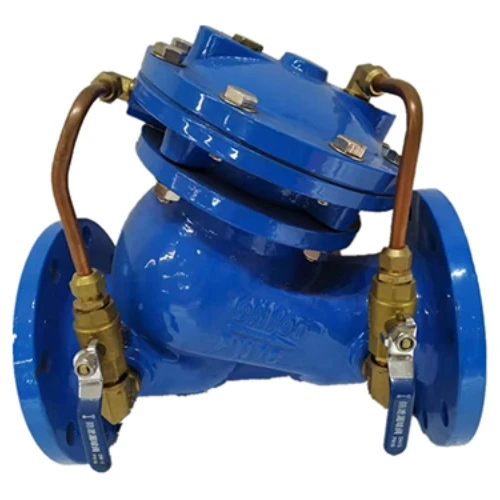
Valvola a farfalla da 1,5 pollici per applicazioni industriali e domestiche
Valvola a Farfalla da 1.5 Pollici Un Elemento Chiave nel Settore Industriale Le valvole a farfalla s
 English